

News
-

How does the backing vacuum pump function to maintain a safe pressure differential and compression ratio for the Roots pump?
The operation of a Roots vacuum pump is fundamentally dependent on its integration with a backing vacuum pump, as these mechanical booster pumps cannot compress gas directly to atmospheric pressure.
Learn More2026-08-12 -

What advantages enable the fermentation bioreactor to serve as an efficient solution for rural sewage purification and treatment?
As the development of rural ecological environments progresses, sewage treatment facilities face higher demands regarding stable operation, environmental performance, and intelligent management capabilities.
Learn More2026-08-06 -
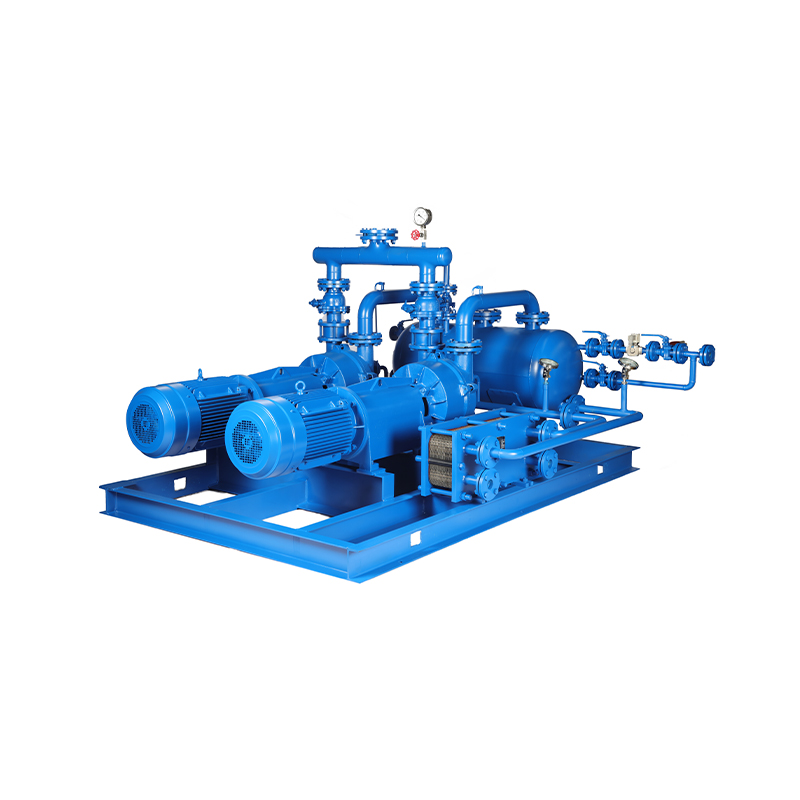
How can a liquid ring vacuum pump improve working fluid utilization and reduce operating costs through a closed-loop system design?
As a common vacuum generating device, the liquid ring vacuum pump is widely used in various industrial scenarios due to its stable structure, reliable operation, and strong adaptability.
Learn More2026-07-23 -
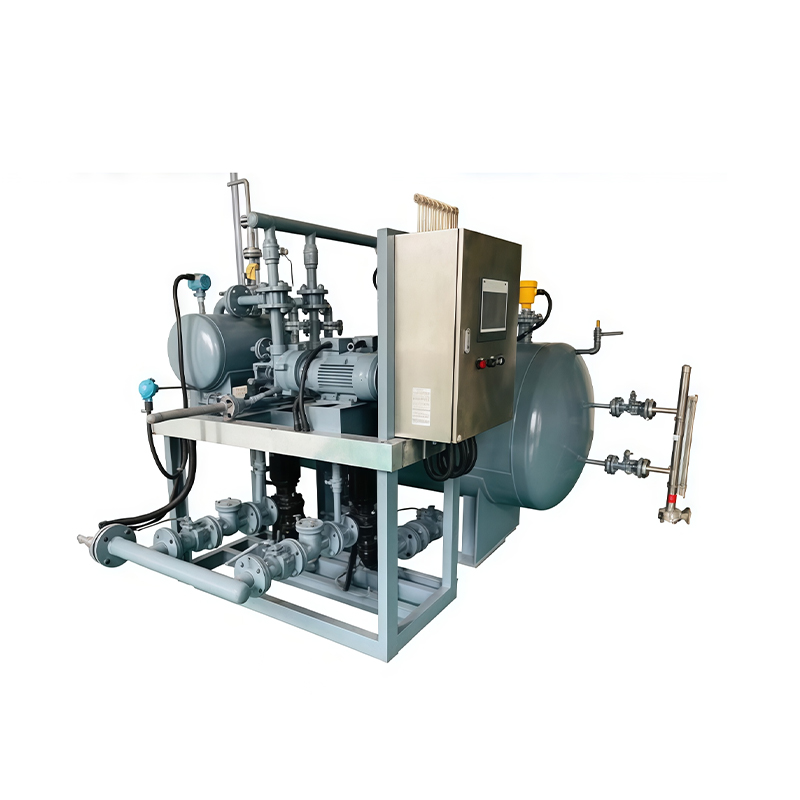
How does a vacuum negative pressure sewage collection system achieve efficient centralized transport of regional sewage through pressure gradient control?
With the continuous upgrading of environmental infrastructure, the vacuum negative pressure sewage collection system, thanks to its pressure gradient control technology, demonstrates significant advantages in improving the efficiency of centralized sewage
Learn More2026-07-08 -
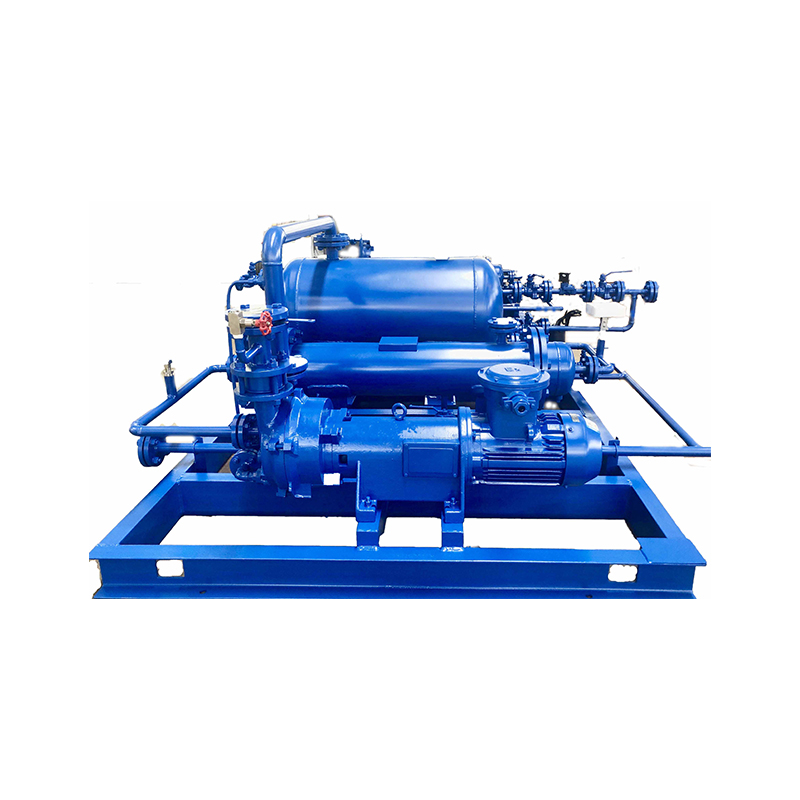
What are the features of a liquid ring vacuum pump?
The liquid ring vacuum pump is a highly versatile and robust mechanical device widely utilized across various industrial sectors for its unique operational characteristics.
Learn More2026-06-24 -
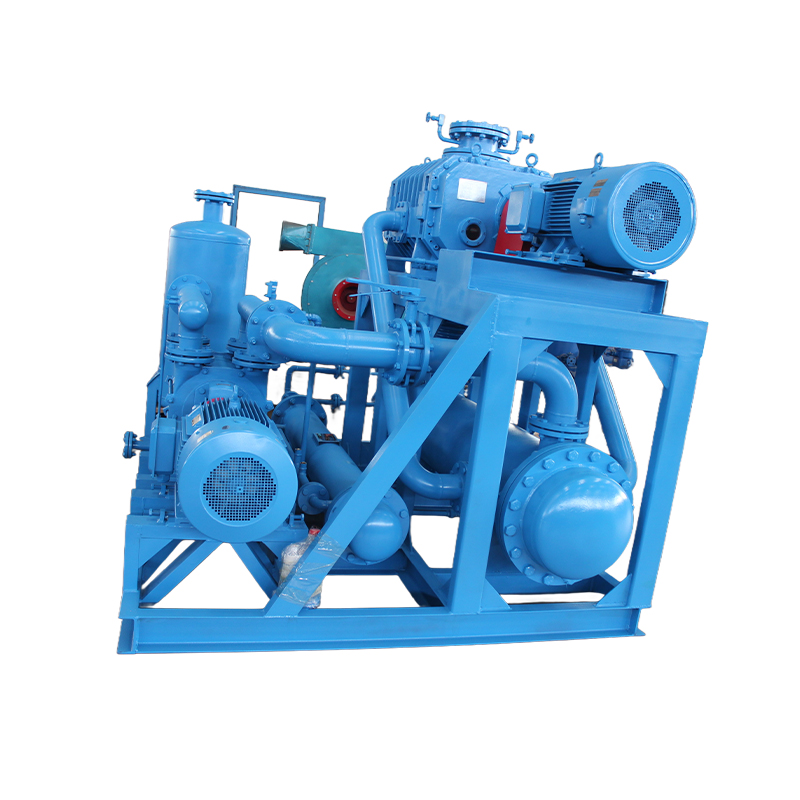
How to achieve dynamic balance control of inlet and outlet pressure difference in a Roots liquid ring vacuum pump under different auxiliary pump speeds?
The Roots liquid ring vacuum pump, a typical combination system of a Roots booster pump and a liquid ring vacuum pump, is widely used in chemical, pharmaceutical, vacuum drying, and gas recovery processes.
Learn More2026-06-10